

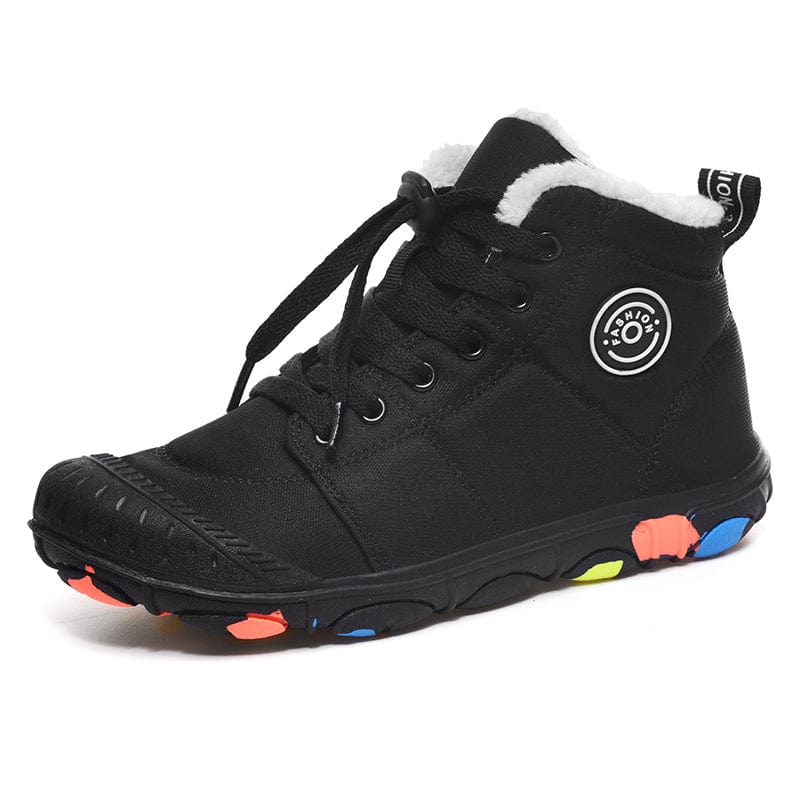


Doctor's Advisory: Rethink Expensive Orthotics—Explore This Innovative Alternative
A recent clinical study conducted by the University of Liverpool has revealed that minimalist footwear can significantly enhance balance and mobility in older adults, eliminating the need for costly therapies or medications.
March 15th, 2025 | Reading Time: 5 min
For many seniors, walking comfortably without pain feels out of reach. Traditional footwear—often stiff with narrow toe boxes—can limit natural foot movement, causing discomfort, poor posture, and long-term foot issues. But new scientific insights are offering a better path forward.
A recent study from the University of Liverpool, published in Clinical Biomechanics, revealed that minimalist shoes can significantly enhance balance and mobility in older adults. Participants wearing these flexible, wide-fitting shoes performed better on physical assessments like the Timed Up and Go test, and showed noticeable improvements in stability. The findings highlight that minimalist footwear supports natural foot function and may play a key role in reducing the risk of falls.
Timeline of Foot Health Problems by Age


0–12 Years: Developing Feet
- Flat feet are common as arches develop.
- Improper footwear can affect growth.
- Kids benefit from barefoot or flexible shoes to promote natural muscle and bone development.
Teens (13–19): Formation Years
- Overpronation and posture issues begin to appear, often due to poor footwear.
- Sports injuries like plantar fasciitis, heel pain, and ankle sprains are common.
- Tight shoes may start causing bunions or ingrown toenails.
20s–30s: Lifestyle Impact
- Long hours in shoes or heels can lead to:
- Arch strain
- Plantar fasciitis
- Ball-of-foot pain (metatarsalgia)
- Posture-related issues like knee or back pain may start developing from misaligned feet.
40s–50s: Wear & Tear Begins
- Common issues:
- Joint stiffness
- Reduced foot flexibility
- Bunions, neuromas, and hammertoes
- Fat pad under the heel thins, reducing shock absorption.
- People begin to rely more on orthotics—often unnecessarily.
60+ Years: Stability & Fall Risk
- Balance issues and risk of falling increase.
- Arthritis, circulatory problems, and nerve damage (neuropathy) become more common.
- Thick, rigid shoes can worsen balance and mobility.
- Foot health directly impacts independence and quality of life.


The Minimalist Footwear Difference
Minimalist shoes are designed to mimic walking barefoot—letting your feet move, flex, and support you the way nature intended.
Key Benefits of Voya Barefoot Shoes:
✔️Better Balance: Flexible soles help you feel the ground beneath you for greater stability
✔️More Mobility: Supports your natural gait and improves posture
✔️All-Day Comfort: Roomy toe box and lightweight design
✔️Orthotic-Free Support: Strong, healthy feet start with natural movement
✔️Clinically Supported: Based on scientific research, not just trends

Our Testimonial
Limited-Time Spring Sale Offer
This exclusive 50% Discount is only available for the first 100 customers.
-

Click The Button Below to claim your 50% discount
-

Enjoy 30-Day Money Back Guarantee.
-

Experience the barefoot feel. It’s that simple.


FAQs
Yes! Many customers with foot conditions report less pain and better mobility. The natural design helps strengthen the feet over time.
Absolutely. The improved ground feel and balance support are particularly beneficial for older adults at risk of falling.
There might be a short adjustment period as your feet start to move more naturally—but most users report quick comfort.
These shoes are great for daily use—whether walking indoors, outdoors, or running errands.
No worries—Voya Barefoot offers easy returns and a satisfaction guarantee.